Vitis Albuelis: The White Grape
Grape names often reveal something key about their history, origin or character. Sauvignon, from sauvage — wild. Pinot — resembling a pine cone. Nebbiolo, from nebbia — the fog that blankets the Piedmont every autumn morning.
Elbling has been growing along the Moselle ever since the Romans marched through the region. The name likely comes from the Latin vitis albuelis — simply "white grape." No embellishment, no metaphor, it was called exactly what it was. For centuries it has covered the hillsides of the Moselle, in what is now Luxembourg and Germany alike, feeding the thirst of the locals. But as tastes shifted downstream toward Riesling and Müller-Thurgau, Elbling remained stubbornly in Luxembourg.
Don't let the unremarkable name fool you. Elbling remains one of the most widely planted varieties in the country, even as other varieties like Auxerrois and Chardonnay found success. Yet there's a reasonable argument to be made that it is the true national grape — hiding in plain sight.
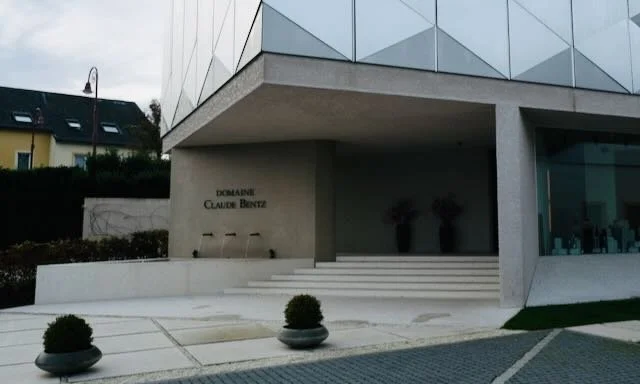
Carole Bentz is not one for nostalgia. From her strikingly modern winery to her precision Rieslings and fit-for-royalty sparkling wines, she is in many ways leading the Luxembourg wine industry forward. But she hasn't abandoned the grapes and traditions that make this region so distinctive. Her Elbling is Luxembourg's answer to a Mosel Kabinett — light, lively, and delightfully easy to drink. Simple in name, not in pleasure.
At $16 a bottle, this is one more example of the kind of wine the locals reach for without a second thought — which, as you know by now, is usually a very good sign.
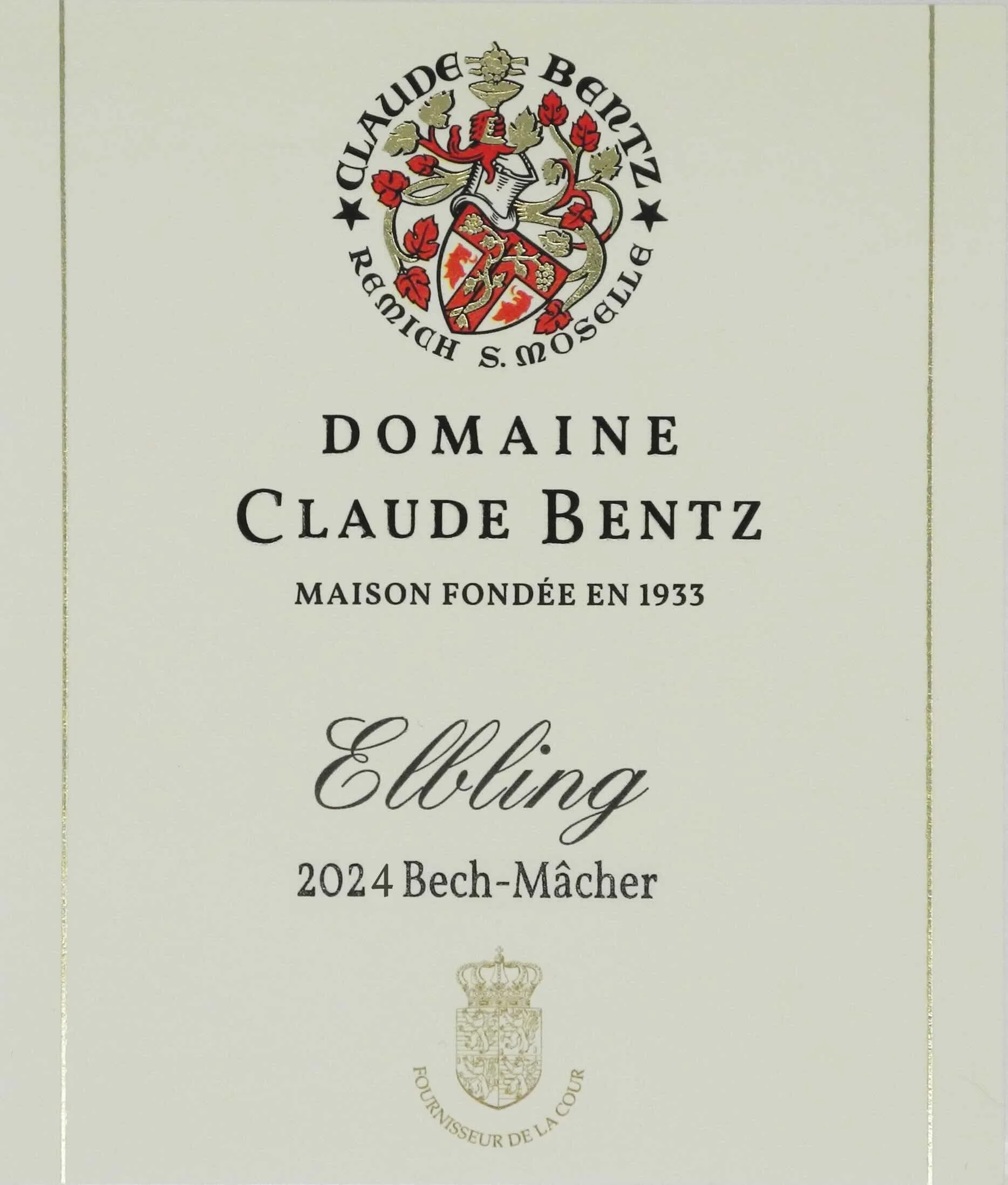
Domaine Claude Bentz
Elbling 2024
A delicate floral bouquet on the nose, followed by juicy white peach on the palate. The acidity is lively and bright — almost effervescent in feel — while a silky texture gives it a generosity and ease of drinking that are particular to this stretch of the Moselle. Low in alcohol, high in refreshment, and exactly the kind of wine you'll find yourself reaching for all summer long.